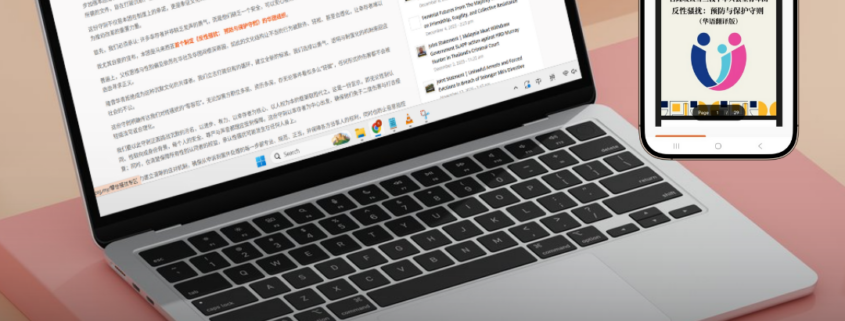
国际人权日响应“16天行动”:隆雪华青发布《反性骚扰守则》电子版,营造安全公共空间。

(吉隆坡10日讯) 适逢“国际人权日”,吉隆坡暨雪兰莪中华大会堂青年团(隆雪华青)正式推出《反性骚扰:预防与保护守则》中文与英文电子版,并宣布即日上线。

隆雪华青团长黄彦铬于2025年12月10日发表文告指出,今天亦是全球“16天消除针对妇女暴力行动”(16 Days of Activism against Gender-Based Violence)的最后一天。

每年从 11月25日(国际消除对女性暴力日)到12月10日,全球各界共同呼吁终结对女性与女孩的一切暴力行为,隆雪华青亦以发布电子守则的方式积极响应,以实际行动保障人权、营造安全环境。

黄彦铬:守则不仅是一纸文件,更是落实于日常的承诺

黄彦铬强调,守则不仅是纸本文件,而应落实于日常团务的每一处细节。

无论是个人团员或团体成员,所有加入隆雪华青的成员,除了组织细则,也必须承诺遵守《反性骚扰:预防与保护守则》,确保组织文化建立在尊重与安全的基础之上。

此外, 每一项与隆雪华青相关的活动,在开始前皆会向与会者、讲者、赞助者、志愿者及工作人员再次明确提醒,必须遵守本团的《反性骚扰:预防与保护守则》,以营造安全、包容、无骚扰的公共空间。

呼吁各团体借鉴采纳,落实零性骚扰

黄彦铬补充道,隆雪华青未来也将持续推行内部培训以深化落实守则,并诚挚呼吁母会、其他会员团体及各界机构采纳与推广本守则。

他强调,通过普及应用该守则,才能让所有人都能在无惧性骚扰的环境中,充分实践联邦宪法保障的结社自由。

请点击https://youth.klscah.org.my/零性骚扰专区 浏览隆雪华青零性骚扰专区。


相关文件:KLSCAH Youth Code of Prevention and Protection Against Sexual Harassment

Joint Open Letter | Urging the Establishment of an Independent Information Commission

I. Introduction

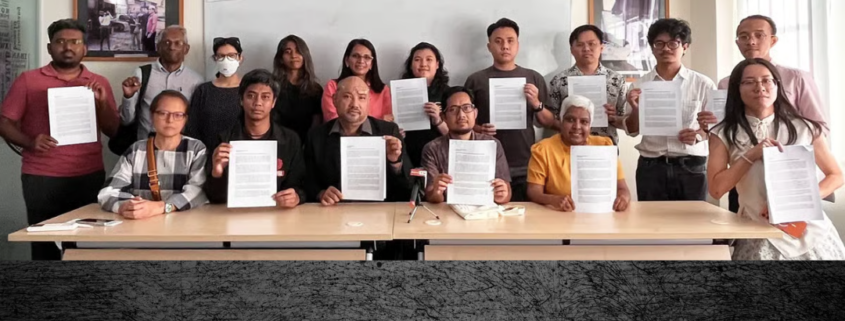
We, the undersigned civil society organisations (CSOs) and individuals, urge the government to speed up the tabling of the Freedom of Information (FOI) Bill and to establish an independent Information Commission as the oversight body.

On 14 November, Datuk Zamri Misman, Director General of the Legal Affairs Division in the Prime Minister’s Department of Malaysia, announced that the government will table the Ombudsman Malaysia Bill and the Freedom of Information (FOI) Bill in 2026 rather than during the current Parliamentary session, citing the need for further engagement. While consultation is welcome, we are deeply concerned by the recent parliamentary response from the Minister in the Prime Minister’s Department (Law and Institutional Reform), Dato’ Sri Azalina Othman Said.

The Minister stated that the Ombudsman is intended to address weaknesses in complaint management and whistleblower protection systems. However, by consolidating the functions of the Public Complaints Bureau (BPA) and the Enforcement Agency Integrity Commission (EAIC) under a single Ombudsman, the FOI mandate risks being relegated to a secondary or marginalised role. This would severely undermine the transformative potential of FOI as a standalone right and a core pillar of democratic governance.

We therefore strongly caution against subsuming the FOI oversight function under the Ombudsman structure.

II. Need for an Independent Information Commission

We reaffirm our position that oversight of the right to information must be housed in a dedicated, independent Information Commission rather than placed under the Ombudsman. This position is grounded in the following key considerations:

1. Case Volume & Timeliness

International experience demonstrates that FOI oversight requires significant time and focused institutional attention. As emphasised by Prof. John McMillan, Australia’s inaugural Information Commissioner, during the RTI Roundtable organised by the Centre for Independent Journalism (CIJ) on 20 June 2025, even well-functioning Ombudsmen face significant challenges when FOI responsibilities are added to their already extensive caseloads. In both South Australia and Tasmania, FOI matters consumed a disproportionate share of Ombudsman resources, inevitably diverting attention from their other core mandates.

FOI must not be treated as an administrative afterthought. Malaysia needs a body that can respond swiftly and consistently, especially given the country’s historically opaque information ecosystem.

2. Enforcement Powers

Effective FOI regimes depend on an independent commission grounded in human rights principles, with enforceable oversight. An Information Commission must have:

  • Power to compel disclosure of information
  • Authority to issue binding orders and impose sanctions for non-compliance

Traditionally, Ombudsmen only issue non-binding recommendations, which public agencies may ignore with few consequences. Although the exercise of such soft power might be useful in encouraging broader policy changes, it may not be as effective in compelling disclosure of information. Embedding FOI under a body without enforcement power risks producing a weak, symbolic system rather than one capable of meaningfully shifting government culture toward transparency.

3. To ensure independence and prevent political interference

FOI oversight must be structurally independent from the Executive to avoid political interference. The Commission should be directly accountable to Parliament, not to the government of the day. A body nested under the Ombudsman, whose mandate is already tied to executive-facing complaints systems, lacks the necessary autonomy to adjudicate politically sensitive requests, including those involving influential ministries or agencies.

4. Technical Expertise

FOI decisions require specialised skills in balancing:

  • National security considerations
  • Privacy and data protection
  • Public interest tests
  • Classification and declassification standards

A dedicated Information Commission would be able to recruit, train, and retain officers with the niche competencies required to safeguard the right to information. Such expertise is absent within a generalist Ombudsman institution.

III. Proposed Structure of the Information Commission

1.  Composition and Appointment

We propose a Commission comprising up to seven members, including a Chair and Deputy Chair with gender balance and proven experience in information governance, human rights, law, or public administration. Appointments must follow a transparent, merit-based process involving proper consultation. Commissioners should serve fixed five-year terms with stringent disqualification and conflict-of-interest rules.

2. Functions and Powers

To ensure the Commission is effective:

  • Its decisions must be binding with the force of High Court orders, subject only to judicial review.
  • It must have clear powers to enforce disclosure, issue penalties, and direct reforms within public bodies.
  • Oversight by the Parliamentary Special Select Committee on Human Rights, Election and Institutional Reform should apply to appointments, removals, reporting, and compliance.

3. Reporting Line

The Commission must report directly to Parliament, not to the Executive. Its annual reports should evaluate agency compliance, identify systemic barriers, and recommend policy reforms.

4. Budget

The Commission must receive a dedicated allocation from the annual federal budget through the Ministry of Finance to ensure operational stability and independence.

IV. Way Forward

In an era of escalating misinformation and disinformation, the public’s ability to access accurate, timely and complete government-held information is indispensable. Although Selangor and Penang have enacted state FOI laws, these frameworks remain limited, particularly due to the overarching reach of the Official Secrets Act (OSA) 1972 and inconsistent implementation.

A standalone FOI Bill, paired with a fully independent Information Commission, is critical to ensuring robust oversight, enforcement, and public trust. The Commission must oversee:

  • Implementation of the FOI law
  • Appeals and dispute resolution
  • Monitoring and enforcement
  • Institutional training
  • Public engagement and awareness
  • Standardised, fair fee structures

This model is both workable and progressive, and it aligns with global best practices. Given Malaysia’s increasingly restrictive information landscape, delays are unacceptable.

We therefore call on the Government of Malaysia to: Commit to a clear and public timeline for tabling the FOI Bill and establishing an independent Information Commission, specifically to ensure it remains separate from the Ombudsman Bill.

The multi-stakeholder Protem Committee tasked with drafting the FOI Bill can guide the inclusion of the Commission’s formation within the FOI Bill.

This letter is undersigned on 3 December 2025 by:

Organisations

  1. Centre for Independent Journalism (CIJ)
  2. ARTICLE 19
  3. Sinar Project
  4. The Center to Combat Corruption and Cronyism (C4 Center)
  5. Agora Society Malaysia
  6. Aliran
  7. Architects of Diversity (AOD)
  8. Beyond Borders
  9. Borneo Speaks
  10. Building Initiatives in Indigenous Heritage (BIIH)
  11. Coalition for Clean and Fair Elections (BERSIH)
  12. Federation of Alumni Associations of Taiwan Universities, Malaysia (FAATUM)
  13. Freedom Film Network
  14. Gabungan Bertindak Malaysia (GBM)
  15. Gerakan Media Merdeka (GERAMM)
  16. Kemban Kolektif
  17. KL and Selangor Chinese Assembly Hall (KLSCAH) Youth
  18. KLRA+SD (Persatuan Kebajikan Kelestarian Komuniti Kuala Lumpur /Kuala Lumpur Residents Action for Sustainable Development Association)
  19. KLSCAH civil right committee
  20. Lawyer Kamek
  21. Malaysiakini
  22. MARTABAT UNTUK SEMUA PETALING JAYA
  23. North South Initiative
  24. Persatuan Kesedaran Komuniti Selangor (EMPOWER)
  25. Persatuan Pemangkin Daya Masyarakat (ROSE)
  26. Persatuan Petaling Jaya Lestari
  27. PJ Sejahtera
  28. PSM
  29. PUSAT KOMAS
  30. Reproductive Rights Advocacy Alliance Malaysia (RRAAM)
  31. Sabah Youth Movement (SYM)
  32. SAVE Rivers
  33. SIS Forum
  34. SIUMAN Collective
  35. Suara Rakyat Malaysia (SUARAM)
  36. Tenaganita
  37. Teoh Beng Hock Association for Democratic Advancement (TBH-ADA)
  38. Treat Every Environment Special (TrEES)
  39. University of Malaya Association of New Youth
  40. ⁠Women’s Aid Organisation

Individuals

  1. Andrew Khoo
  2. Beatrice Leong, gender-disability activist, independent documentary filmmaker
  3. Dr Chang Teck Peng, Associate Professor, Tunku Abdul Rahman University of Management and Technology (TAR UMT) (Individual)
  4. Dr. Chong Wu Ling, Senior Lecturer, Universiti Malaya
  5. Dr. Gayathry Venkiteswaran, Assistant Professor, University of Nottingham Malaysia
  6. Dr. Khoo Ying Hooi, Associate Professor, Universiti Malaya
  7. Dr. Mahyuddin Ahmad, Lecturer, Universiti Sains Malaysia
  8. Dr G Manimaran, Media Consultant
  9. ⁠Fatimah Merican
  10. Honey Tan
  11. Jernell Tan, Activist
  12. Mahi Ramakrishnan
  13. Maria Chin Abdullah
  14. Marina Mahathir
  15. Norman Goh, journalist
  16. Parimala A/P Nesamany, Chairperson, Residents Association of Section 22 Petaling Jaya
  17. Rashidah Shuib, Professor Emerita, Universiti Sains Malaysia
  18. S.S. Yoga, Freelance journalist/editor
  19. Voon Zhen Yi
  20. Yuwana Podin, social activist
  21. Zaharom Nain, Adjunct Professor, University Malaya (Individual)
  22. Zainah Anwar


READ THE FULL OPEN LETTER HERE

Joint Statement | Malaysia Must Withdraw Government SLAPP action against HRD Murray Hunter in Thailand’s Criminal Court

Thailand must refuse to allow its criminal courts to be used for SLAPP actions by anyone, even fellow ASEAN member States

We, the 44 undersigned groups and organizations call upon the Malaysian Prime Minister Anwar Ibrahim, Communication Minister Fahmi Fadzil and the Malaysian government of Malaysia to forthwith withdraw the  SLAPP (Strategic Lawsuit Against Public Participation) criminal complaint and case against Human Rights Defender(HRD) and social commentator Murray Hunter, that was lodged in Thailand by the Malaysian Communications and Multimedia Commission(MCMC), a government entity, that has now resulted in Murray Hunter being charged and indicted for criminal defamation in the Thailand Criminal Courts.(Star,3/10/2025).

Murray is now facing a criminal charge of defamation under Section 328 (defamation by publication) of the Thai Criminal Code, where if he is found guilty, he shall be liable to imprisonment for a term not exceeding two years or to a fine not exceeding two hundred thousand Baht or to both. By reason of this charge, he, who was arrested on 29/9/2025, and after a night in jail he was freed on bail of 20,000 baht, his passport was confiscated and he is not allowed to leave Bangkok pending the outcome of legal proceedings.(Bangkok Post, 18/11/2025)

Murray was indicted on 17/11/2025 for 4 charges of publishing four articles on his Substack blog about the MCMC, which means he is liable for a maximum of 8 years imprisonment and a fine of 800,000 Baht (about USD25,000) if convicted. The trial is now fixed to begin on 22/12/2025 after being indicted on a charge of defaming the Malaysian.(Bangkok Post, 18/11/2025) (THLR Website)

Use of SLAPP action by any Government is UNACCEPTABLE

It is shocking that this SLAPP (Strategic Lawsuit Against Public Participation) against a HRD, which are usually used by alleged perpetrators that are private corporations and powerful individuals, is shockingly now used by a State – the Malaysian government, via the MCMC.

A SLAPP (Strategic Lawsuit Against Public Participation) is the use of lawsuits (criminal or civil suits) filed to silence individuals or groups who speak out on issues of public importance. These lawsuits can be brought by various entities, including governments or government-affiliated bodies, to intimidate and financially drain critics, journalists, activists, and public officials – and also to DETER other HRDs from highlighting wrongs in the future.

‘In international law, States assume the duties to respect, to protect and to fulfil human rights. Under those obligations, States shall not only refrain from engaging in abusive lawsuits, but also take positive measures to ensure that third parties do not use SLAPPs as tools to silence those exerting legitimately their rights to freedom of opinion and expression as well as freedom of peaceful assembly and association.’ – UN Human Rights Office of the High Commissioner’s report entitled The impact of SLAPPs on human rights & how to respond

Some countries have recently rightly moved towards enacting anti-SLAPP laws, which have been adopted in common law, civil law and mixed legal systems, including the United States, Canada, Australia, Indonesia, the Philippines and Thailand.

In Thailand, ‘the Royal Thai Government Gazette has officially published the Organic Act on Anti-Corruption (No. 2), B.E. 2568 (2025), with the primary aim of strengthening protections for whistleblowers and fostering greater public participation in the fight against corruption. The law now explicitly incorporates Anti-SLAPP principles, shielding individuals who, in good faith, report wrongdoing, provide evidence, or express opinions that aid in official duties or pertain to offences under the National Anti-Corruption Commission(NACC)’s jurisdiction (Bangkok Post, 6/6/2025). More Anti-SLAPP laws are imminent.

Murray raises concerns, amongst others, as to whether the Malaysia’s MCMC have been faithfully carrying out its statutory duties. Concern raised about whether there is preferential treatment of certain persons and/or entities, including companies linked to existing MCMC Commissioners.  Rightly, MCMC and other relevant authorities should be investigating allegations and/or concerns raised by Murray, and not ‘attacking’ such whistle blowers and those who highlight possible wrongdoings or shortcomings.

In this case, a perusal of the charges in Thailand Criminal Court, as found in the Thai Lawyers For Human Rights website, suggests that this case falls within the scope of falls within the scope of the Anti-SLAPP principles of Thailand. This must be considered a matter of public interest as it relates about alleged abuses, wrongdoings, failures and mis-governance of this Malaysian law enforcement body, the MCMC.

Further, the MCMC itself has a portal called  sebenarnya.my , whereby it analyses alleged ‘fake’ news, and informs the public why it is false citing credible sources. As such, if and when Murray had published/circulated any alleged ‘fake news’, this portal ought to have been used to debunk any falsehood with credible evidence – and not the use of SLAPP actions against Murray. Did MCMC even use their own mechanism, when it came to Murray Hunter’s allegedly false statements, and if not, why?

Malaysia Has the Duty To Protect HR Defenders – Not Act Against Them

Malaysia, as any United Nation member State, has the duty and obligation to protect Human Rights Defenders, their freedom of expression including their right to raise issues of alleged wrongdoings or issues of mis-governance more so after the UNITED NATIONS General Assembly on 8/3/1998 by resolution adopted the Declaration on the Right and Responsibility of Individuals, Groups and Organs of Society to Promote and Protect Universally Recognized Human Rights and Fundamental Freedoms(commonly known as the UN Human Rights Defenders Declaration)

Murray Hunter, a former lecturer in University Malaysia in the State of Perlis,  is a HR Defender, who has the freedom of expression and opinion, and also do have the right to highlight or ‘…to complain about the policies and actions of individual officials and governmental bodies with regard to violations of human rights and fundamental freedoms…’.

All States, including Malaysia, has the duty to protect HR Defenders. ‘The State shall take all necessary measures to ensure the protection by the competent authorities of everyone, individually and in association with others, against any violence, threats, retaliation, de facto or de jure adverse discrimination, pressure or any other arbitrary action as a consequence of his or her legitimate exercise of the rights referred to in the… HR Defenders Declaration (Art.12(2) HR Defenders Declaration).

‘In this connection, everyone is entitled, individually and in association with others, to be protected effectively under national law in reacting against or opposing, through peaceful means, activities and acts, including those by omission, attributable to States that result in violations of human rights and fundamental freedoms…’ (Art. 12(3)).

The State have NO ‘…right to engage in any activity or to perform any act aimed at the destruction of the rights and freedoms…’ of any HR Defender. (Art. 19)

As such it was wrong for the Malaysia through MCMC to take any retaliatory action against HRD Murray Hunter, even if or when he raised issues or concerns about MCMC, the police or even the government – as he, like any other persons or HR Defenders, has the right to also raise omissions or actions of any government body or person.

Transborder SLAPP Attack by Government Through Criminal Action in Another Country Is An Appalling Violation of Human Rights

The allegation of CRIME committed by Murray to date has not led to any criminal charges being filed in the Malaysian criminal courts, and that means that the Malaysian police and/or law enforcement, and/or the Public Prosecutor did not find it a crime, or did not find sufficient evidence to charge him for criminal defamation or any other crimes in Malaysia after MCMC filed a a police report in Malaysia on or about 24/4/2024, (MCMC Website). According to said MCMC’s Statement it said, amongst others, that Murray in his writings allegedly was ‘accusing MCMC of acting beyond its jurisdiction for self-interest. He also accused MCMC and PDRM of intimidating the public.’(‘…menuduh MCMC bertindak melangkaui bidang kuasanya untuk kepentingan diri. Beliau turut melemparkan tohmahan bahawa MCMC dan PDRM bertindak menakut-nakutkan Masyarakat….).

Malaysia not charging Murray for the crime of criminal defamation may be similar to the situation that the led to the Malaysian Attorney-General’s Chambers issuing ‘… “No Further Action” directive against Bloomberg, following Bloomberg’s report claiming that the Malaysian Anti-Corruption Commission acted on the Prime Minister’s instructions in investigating certain individuals. Minister in the Prime Minister’s Department (Law and Institutional Reform) Datuk Seri Azalina Othman Said, in a written parliamentary reply, stated that the directive was issued as “there was insufficient evidence in the investigation papers…”(Vibes, 5/11/2025).

Whilst Malaysia itself did not commence any criminal action, oddly Thailand, acting on the Malaysian government’s criminal complaint, has now charged Murray for criminal defamation. Are the legal standards in Malaysia not the same as Thailand?

SOVEREIGNITY and using laws of other countries to prosecute crimes against Government?

For Malaysian government and government entities, they should only be using the Malaysian law – and never the laws or the administration of criminal justice mechanism or processes in some other jurisdiction or country, which may be also be different from the laws and rules in Malaysia.

The Malaysian Federal Constitution states that ‘(1) No person shall be deprived of his life or personal liberty save in accordance with law (Art. 5(1), and also that ‘(1) No person shall be punished for an act or omission which was not punishable by law when it was done or made, and no person shall suffer greater punishment for an offence than was prescribed by law at the time it was committed.(Art. 7(1)).

The ‘LAW’ referred to in the Malaysian Constitution is the Malaysian Law – not the Laws of Thailand, or the Laws of any other country. It must be the Malaysian Law, the Malaysian Courts – more so when the alleged victim of the crime is the Malaysian government or its entity as in this case.

To use other country’s laws, which are most likely different from Malaysia’s own laws, legal standards and court processes may be seen as an unconstitutional act, disrespecting Malaysia’s own sovereignty and Malaysian laws.

If Malaysia wanted to charge Murray Hunter for ‘Criminal Defamation’, then it should do so in Malaysia but law enforcement decided not to until now.

Remember, Malaysia could have investigated Murray Hunter in Malaysia, and even charged him in Malaysia if it was a crime, or there was sufficient evidence.  If Malaysia wanted Murray Hunter in Malaysia, they could have applied to get Thailand to send Murray to Malaysia.

Even if Murray Hunter could not be physically brought to Court, Malaysian law today allows for him to be charged in the Malaysian courts and Malaysia’s Section 425A of the Criminal Procedure Code allows a trial to proceed if the accused fails or refuses to attend.

Thus, we call on Malaysia to justly stop or cause the withdrawal of the criminal defamation case against Murray Hunter in Thailand, initiated by the actions of Malaysian government’s MCMC.

If Malaysia withdraws the criminal complaint, and inform the Thailand Courts, most likely the criminal charges against Murray will be dropped in Thailand.

Malaysia – BAD and Dangerous Precedence of use of SLAPP against HRDs

To date, no corporation or powerful individuals in Malaysia has resorted to using SLAPP actions against HRDs in other jurisdictions, other than in Malaysia using Malaysia’s laws and courts, and, as such, this criminal SLAPP action is a dangerous UNJUST PRECEDENT by the Malaysian government. It may lead to possible future SLAPP actions against HRDs in Malaysia by private companies and persons in Malaysia also using laws and courts in other countries?

Thus, we, the undersigned groups and organizations,

A. Call on the Malaysian government, and/or the Malaysian Communications and Multimedia Commission (MCMC) to forthwith cause to withdraw the criminal complaint and criminal defamation case against HRD Murray Hunter in Thailand criminal courts,

B. Call on the government of Thailand, that have already adopted Anti-SLAPP principles and are enacting anti-SLAPP laws, to not allow its laws and its criminal courts to be used wrongly by other nations to commence SLAPP actions against HR Defenders who highlighted alleged wrongs or mis-governance issues of Malaysian government or its entities. Drop the criminal defamation charges against Murray Hunter.

C. Noting that Article 39 of the ASEAN Human Rights Declaration 2012 already states that ‘ASEAN Member States share a common interest in and commitment to the promotion and protection of human rights and fundamental freedoms’, which also includes ‘..the right to freedom of opinion and expression, including freedom to hold opinions without interference and to seek, receive and impart information, whether orally, in writing or through any other medium of that person’s choice’(Art.23), and as such all ASEAN member States must do more to protect Human Rights Defenders, by also enacting anti-SLAPP laws. Malaysia, as current ASEAN Chair, must lead by good example.

D. Call on Malaysia and all governments to refrain from engaging in abusive lawsuits, but also take positive measures to ensure that third parties do not use SLAPPs as tools to silence those exerting legitimately their rights to freedom of opinion and expression.

Charles Hector

Ng Yap Hwa

For and on behalf the 44 organizations/groups/trade unions listed below

  1. ALIRAN, Malaysia
  2. MADPET (Malaysians Against Death Penalty and Torture)
  3. Asia Citizen Future Association, Taiwan
  4. Asia Human Rights and Labour Advocates (AHRLA)
  5. Asian Forum for Human Rights and Development (FORUM-ASIA)
  6. Banglar Manabadhikar Suraksha Mancha (MASUM), India
  7. BWI AP (Building and Wood Workers International Asia Pacific Region)
  8. Center for Alliance of Labor and Human Rights (CENTRAL), Cambodia
  9. Citizens Against Enforced Disappearances (CAGED), Malaysia
  10. CIVICUS – World Alliance for Citizen Participation
  11. COAC (Center for Orang Asli Concerns), Malaysia
  12. Community Resource Centre Foundation (CRC), Thailand
  13. Democratic Commission for Human Development (DCHD), Lahore, Pakistan
  14. Disability Peoples Forum, Uganda
  15. Global Women’s Strike
  16. GoodElectronics Network
  17. Greenpeace Southeast Asia
  18. Haiti Action Committee
  19. International Federation for Human Rights (FIDH), within the framework of the Observatory for the Protection of Human Rights Defenders, France
  20. KLSCAH Youth, Malaysia
  21. Legal Action for Women, United Kingdom
  22. Manushya Foundation, Thailand
  23. MAP Foundation, Thailand
  24. National Union of Banking Employees (NUBE), Malaysia
  25. National Union of Transport Equipment & Allied Industries Workers (NUTEAIW), Malaysia
  26. North South Initiative (NSI), Malaysia
  27. Parti Rakyat Malaysia (PRM)
  28. Payday Men’s Network (UK/US)
  29. Persatuan Amal Progresif, Malaysia
  30. Programme Against Custodial Torture & Impunity (PACTI), India
  31. Redemption Pakistan
  32. Sabah Timber Industry Employees Union (STIEU), Malaysia
  33. Sarawak Dayak Iban Association (SADIA), Malaysia
  34. Second Chance Redemption, Pakistan
  35. Service Industry Workers Union Of Peninsular Malaysia
  36. SETEM Catalunya, Spain
  37. Singapore Anti Death Penalty Campaign (SADP)
  38. Social Protection Contributors Advisory Association Malaysia. (SPCAAM)
  39. Tenaganita, Malaysia
  40. Teoh Beng Hock Association for Democratic Advancement, Malaysia
  41. WH4C (Workers Hub for Change)
  42. Women of Colour Global Women Strike, US & UK
  43. Workers’ Assistance Center (WAC) in Cavite, Philippines
  44. World Organisation Against Torture (OMCT), within the framework of the Observatory for the Protection of Human Rights Defenders, Switzerland

Additional Note – Some points from the Thai Lawyers for Human Rights website 


READ THE FULL JOINT STATEMENT HERE

Joint Statment | Unlawful Arrests and Forced Evictions in Breach of Selangor Mb’s Directive

We, the undersigned organisations, condemn the arrests of activists S. Arutchelvan and Mythreyar, as well as resident Logeswaran at around 4.00pm on 12 November 2025 under Section 186 of the Penal Code. These arrests were unwarranted. Together with Kampung Papan residents, they clearly informed the police that the Selangor Menteri Besar had authorised that occupied houses are not to be demolished. This directive was issued via the 23 October press statement titled “Kerajaan Negeri Cakna Isu Penempatan Peneroka Jalan Papan”, which affirmed: “Kerajaan Negeri menegaskan bahawa kerja-kerja perobohan hendaklah dihadkan kepada rumah dan premis perniagaan yang kosong serta tidak mempunyai penghuni sahaja selaras dengan arahan dan semangat penyelesaian secara berhemah yang telah dipersetujui bersama melalui perundingan semua pihak berkepentingan yang dipengerusikan YAB Dato Menteri Besar sendiri pada Selasa, 21hb Oktober yang lepas”.

Yet today, homes still occupied by residents were forcefully cleared —belongings removed and residents physically pushed out—directly contravening the Menteri Besar’s statement and the state’s directives. The three individuals arrested were acting on the Selangor State Government’s directive that occupied houses should not be demolished until an amicable solution is achieved. Instead, officers of IPD Klang Selatan, including the OCPD, defied the Menteri Besar’s directive by assisting the developer, Melati Ehsan, to forcibly evict occupants. The arrests are therefore unnecessary and unlawful, as the three acted in accordance with the advice and directive of the Menteri Besar and the state government.

We demand the immediate and unconditional release of S. Arutchelvan, Mythreyar and Logeswaran. We further call on the Selangor state government to intervene and ensure that the demolition is halted, with no further forced evictions undertaken until all residents receive adequate alternative housing.

Endorsed by:

  1. Suara Rakyat Malaysia (SUARAM)
  2. Teoh Beng Hock Association for Democratic Advanacement (TBH-ADA)
  3. Ruang Kongsi
  4. Karunjattai
  5. Kesatuan Pekerja Pekerja Swasta Perkhidmatan Sokongan Di Hospital Hospital Kerajaan Dan Jabatan Jabatan Kerajaan Semenanjung Malaysia
  6. Pertubuhan Persaudaraan Pesawah Malaysia (PeSAWAH)
  7. Forum Kedaulatan Makanan Malaysia (FKMM)
  8. Parti Sosialis Malaysia
  9. Gabungan MARHAEN
  10. Pemuda Sosialis
  11. Third World Network
  12. Center for Orang Asli Concerns (COAC)
  13. Alliance of River Three
  14. Agora Society Malaysia
  15. Saya Anak Bangsa Malaysia (SABM)
  16. Aliran
  17. Freedom Film Network
  18. Pusat Pelajar Marhaen (PPM)
  19. Pertubuhan SiraguGal
  20. GEGAR
  21. Jaringan Pekerja Kontrak Kerajaan (JPKK)
  22. Persatuan Kesedaran Komuniti Selangor (EMPOWER)
  23. Angkatan Kesatuan Siswa Sosialis (AKSI)
  24. Jaringan Kampung Orang Asli Semenanjung Malaysia (JKOASM)
  25. Jaringan Orang ASLI Negeri Sembilan (JOAN)
  26. Persatuan Sahabat Wanita Selangor
  27. Association of Women Lawyers (AWL)
  28. People Like Us Support Ourselves (PLUsos)
  29. Women’s Aid Organisation (WAO)
  30. Parti Rakyat Malaysia (PRM)
  31. Hindu youths organisation Port Klang
  32. Ikatan Demokratik Malaysia (MUDA)
  33. Angkatan Belia Islam Malaysia (ABIM)
  34. Cahaya Society
  35. Filsufi. & Co
  36. Center to Combat Corruption and Cronyism (C4)
  37. Citizens Against Enforced Disappearances (CAGED)
  38. Justice For Sisters
  39. SIS Forum Malaysia
  40. ARTICLE 19
  41. KLSCAH Youth
  42. BERSIH
  43. Liga Mahasiswa Malaysia
  44. Liga Mahasiswa Universiti Malaya
  45. Gerakann Perempuan Melawan
  46. Liga Rakyat Demokratik
  47. Federasi Pemuda Kebangsaan
  48. MANDIRI
  49. MAJU
  50. Pro-siswa Kolej Komuniti
  51. Projek Ruang Lawan Malaysia
  52. HAYAT
  53. Amnesty International Malaysia
  54. TENAGANITA
  55. North South Initiative (NSI)
  56. Community Action Network (CAN)
  57. Klima Action Malaysia (KAMY)
  58. Persatuan Martabat Untuk Semua Petaling Jaya (Martabat PJ )
  59. Pusat KOMAS

Individuals

  1. Dr Aaron Denison Deivasagayam
  2. Mayna Ramesh Patel
  3. Thilaga Sulathireh
  4. Beverly Joeman


立即释放被捕人士 停止对班达马兰巴板路木屋区居民的强制驱逐

隆雪华堂民权委员会与隆雪华青对近日发生在雪兰莪州巴生班达马兰巴板路(Jalan Papan)木屋区的强制拆除事件深表关注,强烈谴责当局在执行拆迁行动中粗暴对待居民及逮捕声援者的行为。我们要求警方立即无条件释放被警方逮捕的社运分子及居民,包括社会主义党署理主席阿鲁仄万(S. Arutchelvan)、社运人士麦热亚(Mythreyar)、村民代表罗杰斯瓦兰(M Logeswaran)以及社会主义党秘书长西瓦兰惹妮(Sivaranjani),等10余人。

巴板路木屋区土地早在1998年已由雪州政府移交给发展商,目的是为了解决当地居民长期的住房问题。然而,二十余年过去,该木屋区问题仍未妥善解决。近日,发展商依据清空庭令,自11月10日起对空置木屋实施拆除,惟种种现象显示,发展商漠视雪州政府早前达成拆除空屋的协议。

我们认为,此拘捕行动既不合法也不合理。雪州政府于10月23日声明中明确指出,拆除行动仅限空置、无人居住的房屋及商铺,但现场拆除却涉及仍有人居住的房屋,并导致多名居民及前来斡旋的声援者被捕,明显违背州政府原意,也缺乏法律依据。

此外,强拆房屋过程中出现暴力驱逐的情况,警察及执行人员强行清空房屋,推搡居民等,并也发生冲突,包括居民筑起人墙阻止拆迁工作,与镇暴队对峙,有者甚被拘押。这些行为构成强制驱逐,违反人权及州政府承诺。发展商曾向州政府应诺拨出7英亩土地建设可负担住房物安置居民,但截至目前仍未出示正式文件,令人担忧。

我们要求雪州政府立即介入调解,停止所有拆迁行动,并与发展商及居民代表进行公开对话,寻求双赢与人道解决方案。我们强调,在居民获得充分安置与可负担替代住房方案之前,严禁进行任何进一步的强制驱逐行动,以确保无人无家可归或家庭流离失所。

隆雪华堂民权委员会与隆雪华青呼吁各方遵守法治与人权原则。拆迁应以协商为本,而非以暴力或压制手段解决土地及居住权争议。

Joint Statement | Malaysia-Singapore Cooperation Can Stop Pannirselvam’s Execution and Address Drug Trafficking

We, the 24 undersigned civil society organisations and individuals, are gravely concerned with the scheduled execution of Pannirselvam A/L Pranthaman in Singapore. The family members of Pannirselvam were notified that his execution has been scheduled for 8 October 2025.

Pannirselvam is a drug courier convicted in Singapore in 2014 for trafficking 51.84 grams of Diamorphine. His status as a courier was acknowledged by the Singapore courts, and he provided extensive information to authorities during the investigation. This information was also conveyed to the Royal Malaysian Police (PDRM) through two police reports by his family on 31 October 2018 and 21 January 2023, respectively.

The police reports provided details of the drug syndicates operating in Johor Bahru. These details are only possible based on Pannir’s knowledge and information. While there has been some indication that the PDRM will conduct further investigation into the report and information provided by Pannirselvam, the family has yet to receive any formal updates or information since these reports were made.

At present, swift action by PDRM and the Attorney General’s Chambers (AGC) is required to ensure that Pannirselvam is granted a Certificate of Substantive Assistance for the information provided. Failure to do so will certainly result in the execution of Pannirselvam, jeopardising ongoing efforts to detect and cripple the drug syndicate operating with impunity between the Malaysia-Singapore borders.

The death penalty is an inhumane punishment, and its application for drug trafficking violates international human rights law. In Pannirselvam’s case, the death penalty not only represents a violation of human rights, but it is also counterproductive towards the common goal of suppressing drug trafficking across the Causeway.

We, the 24 undersigned civil society organisations and individuals, urge PDRM, AGC, and the Minister of Home Affairs to Datuk Seri Saifuddin Nasution to:

  • Address the allegations of drug syndicates recruiting and operating in Johor Bahru based on information from Pannirselvam and other drug couriers in Singapore;

  • Provide the necessary cooperation and support to Pannirselvam and other drug couriers in line with Singapore’s legal requirements for Certificate of Substantive Assistance; and

  • Engage bilaterally with Singapore to develop humane, robust, and viable joint action plans that tackle the proliferation of illicit substances through our common borders.


Endorsed by:

  1. HAYAT
  2. Greater Equitable Measures (GEM)
  3. SIUMAN Collective
  4. Justice For Sisters
  5. IMAN Research
  6. Beyond Borders Malaysia
  7. KLSCAH Youth
  8. KLSCAH Civil Rights Committee
  9. Muslim Aid Malaysia
  10. MANDIRI
  11. Centre for Independent Journalism (CIJ)
  12. Pusat KOMAS
  13. SIS Forum
  14. BERSIH
  15. Drug Policy Program Malaysia/Malaysian AIDS Foundation
  16. Liga Rakyat Demokratik
  17. Association of Women Lawyers (AWL)
  18. SUARAM
  19. Family Frontiers
  20. HUSH Collective
  21. Himpunan Advokasi Rakyat Malaysia (HARAM)
  22. Lembaga Bantuan Hukum Masyarakat, Indonesia
  23. NoBox Philippines
  24. CCFC Cambodia

联署文告 | 制度改革不是犯罪,打压青年声音才是真正破坏公众安宁

针对马大新青年日前向高等教育部提交了一份投诉报告,反映公众对大学中心收生系统(UPU)严重不公的意见,并提出废除大学预科班(Matrikulasi)制度却被警方援引《刑事法典》第505(b)条文(即“发布破坏公众安宁的言论”)及《1998年通讯及多媒体法令》第233条文调查。一个旨在提出制度改革、回应公众关切的理性提呈,已被当作刑事案件对待。

我们要严正指出:不认同一个政策建议,最恰当、最健康的回应方式应是公开反驳与理性论述,而非报警与动用警方进行调查。动用公权不仅破坏宪法保障的言论自由,也严重打击青年群体对制度改革参与的信心。

一个执法过度的社会,不会让人民感到安全,只会让人民陷入“杯弓蛇影、草木皆兵”的恐惧。开档调查马大新青年,难道就解决了常年困扰高教部的问题吗?还是沉默就是解决一切问题的答案?继续无视不透明的入学机制、不一致的录取标准,敷衍每年无数优秀学生被拒之门外的挫败,这些正正才是阻碍教育发展的态度。

我们需强调,《通讯及多媒体法令》第233条文原是为打击网络色情、虚假、威胁或恶意评论、网络霸凌、意图冒犯、迫害或威胁他人的行为,诈骗、骚扰与仇恨言论,以避免通讯设施遭滥用。而不是对付批评政府政策的理性建议。如今却被滥用于调查制度改革声音,这是对法律用途的严重扭曲。

因此,我们呼吁政府与高教部:
1. 正视UPU制度中的结构性不公,展开全面制度审查与改革,统一与透明的大学录取制度,真正实现教育公平;
2. 停止将制度性批评政治化、刑事化,保障青年群体合理表达意见的权利;
3. 约束执法单位滥用法律,确保《刑事法典》与《多媒体法令》的使用恰当与合法。

青年不是国家的敌人,恰恰是国家未来改革的伙伴。一个愿意倾听青年声音的政府,才是真正走在现代民主轨道上的政府。


联署组织:

  1. 马六甲中华大会堂青年团
  2. 吉隆坡暨雪兰莪中华大会堂青年团
  3. 柔佛州中华总会青年团

Joint Statement | What is wrong with critiquing the education system? Police urged to stop harassing University of Malaya New Youth

The Teoh Beng Hock Association for Democratic Advancement (TBH-ADA) and the Youth Section of KL & Selangor Chinese Assembly Hall condemn the police for invoking Section 505(b) of the Penal Code (statements conducing to public mischief) and Section 233 of the Communications and Multimedia Act 1998 (improper use of network facilities) to investigate University of Malaya New Youth’s call to “abolish the matriculation programme” and for summoning its president, Tang Yi Ze, to give a statement.

As a university student organisation concerned with the nation’s well-being and committed to reform, UMANY has long spoken publicly on political, economic, cultural and educational issues in Malaysia. This reflects the youth’s concern for national affairs and represents one of the best ways of contributing to the country through constructive discourse. Political leaders should welcome young people’s free discussion on the merits and flaws of education policies, upholding the spirit of free expression and embracing criticism and policy proposals—instead of silencing dissent through repressive measures.

The police, in their statement, claimed that UMANY’s declaration “may create negative perceptions of the education system, and trigger dissatisfaction and public panic.” This is a baseless accusation. If the police resort to draconian laws merely on the basis of malicious reports from a few individuals to target student leaders, this will undoubtedly fuel mob politics and infringe upon the constitutionally guaranteed right of free expression.

We remind the “MADANI” government that when Pakatan Harapan leaders were in opposition, they openly called for the abolition of the Universities and University Colleges Act, the repeal of the Sedition Act, and condemned the Barisan Nasional government’s suppression of student organisations. Many advocates of the single-stream education system also frequently call for the abolition of multilingual stream schools. Do they not equally “create negative perceptions of the education system” and cause “dissatisfaction and panic”? The “MADANI” government must not apply double standards by singling out powerless students for punishment.

It is deeply ironic that Anwar Ibrahim—once a student leader himself—has, after becoming Prime Minister, allowed state apparatuses to suppress students’ freedom of expression. We urge Anwar’s MADANI government to pull back from the brink, stop harassing UMANY leaders, and restore to students the space to speak, to propose, and to criticise freely!

Ng Yap Hwa, Chairperson of Teoh Beng Hock Association of Democratic Advancement
Wong Yan Ke, Chief of the Youth Section of KL & Selangor Chinese Assembly Hall

联合文告 | 评议教育制度何罪之有? 促警方停止骚扰新青年

赵明福民主促进会与隆雪华堂青年团谴责警方援引《刑事法典》第505(b)条文(破坏公共安宁)及1998年《通讯与多媒体法令》第233条文(不当使用网络设备或网络服务),对马大新青年“废除大学预科班”的言论展开调查,并传召该组织主席邓诒泽录供。

作为忧心社稷志在改革的大专组织,马大新青年长期对我国的政经文教课题公开建言,乃是青年忧天下之忧而忧,以言论建设和报效国家的最好体现。政治领袖应该乐见青年自由讨论教育政策之优劣,秉持言论自由精神欢迎各种批评和政策建议,而非用高压手段让异议噤声。

警方在文告中指出,马大新青年的声明“可能导致社会对教育体系产生负面观感,并引发不满及恐慌”,这是莫须有的指控。倘若警方仅仅根据几个人的恶意报案而援引恶法对付大专领袖,这无疑是助长群氓政治,侵犯公民的宪赋言论自由权利。

我们提醒“昌明”政府,希盟领袖在野期间发表过废除大专法令、废除煽动法令、谴责国阵政府打压大专组织的言论;许多单元教育制度的支持者,也常公开呼吁废除多源流学校制度;请问他们是否也造成对教育制度的负面观感,大众的不满和恐慌?请“昌明”政府不要双重标准,只拿无权无势的大专生开刀。

曾经是学生领袖的安华,登上首相之位后却纵容政府机关打压大专生的言论自由,这是何其讽刺。我们呼吁安华领导的“昌明”政府悬崖勒马,停止骚扰马大新青年的领袖,还大专生自由建言和批判的空间!


赵明福民主促进会主席 黄业华
隆雪华堂青年团团长 黄彦铬

Kenyataan Bersama | Malaysia dan Singapura di Persimpangan: Hentikan Hukuman Mati, Tegakkan Hak Asasi Manusia

Memandangkan lima banduan lelaki kini dipercayai berisiko di Singapura, kami, pertubuhan masyarakat sivil yang bertandatangan di bawah, menyeru pihak berkuasa Singapura untuk menghentikan serta-merta semua hukuman mati. Kami juga menggesa kerajaan Malaysia untuk mengambil semua langkah yang mungkin untuk melindungi hak rakyatnya yang berhadapan dengan hukuman mati di Singapura dan mendesak supaya hukuman mati dihentikan sepenuhnya, di Malaysia dan di peringkat antarabangsa.

Antara mereka yang berisiko pelaksanaan hukuman mati ialah Datchinamurthy a/l Kataiah, Pannir Selvam Pranthaman, Saminathan a/l Selvaraju, Lingkesvaran Rajendaren dan Jumaat bin Mohamed Sayed. Kesemua mereka dijatuhi hukuman mati kerana didakwa mengedar dadah, dan masing-masing telah menjalani kehidupan selama tujuh hingga sepuluh tahun sebagai banduan akhir. Sementara Jumaat adalah warga Singapura, empat lagi adalah warga Malaysia. Rayuan terkini kelima-lima mereka telah ditolak, selepas bertahun-tahun mereka berjuang mengatasi segala kemungkinan untuk mendapatkan keadilan.

Singapura telah pun melaksanakan hukuman mati ke atas sepuluh lelaki, termasuk dua rakyat Malaysia, setakat tahun ini. Pada Ogos 2025, Kabinet Singapura menasihatkan Presiden untuk memberikan pengampunan kepada seorang yang dihukum mati—kali pertama ini dilakukan dalam hampir tiga dekad. Walaupun kami mengalu-alukan keputusan yang jarang berlaku ini, ia hanya menekankan kesewenang-wenangan dan kekejaman hukuman mati untuk semua yang lain yang masih berisiko.

Individu yang dihukum mati di Singapura dan keluarga mereka hanya diberi notis empat hingga tujuh hari sebelum hukuman mati dilaksanakan. Sebagaimana kami menggesa pihak berkuasa kedua-dua negara untuk melindungi hak asasi manusia dan menamatkan hukuman mati, kami juga menggalakkan rakyat Malaysia dan Singapura untuk bertindak sekarang untuk membantu menghentikan hukuman mati yang akan dilaksanakan terhadap individu-individu ini; kami tidak mampu untuk menunggu, sementara kami tahu mana-mana individu ini mungkin mendapat notis pelaksanaan dalam beberapa hari akan datang.

Pada persimpangan kritikal ini, kerajaan Malaysia mesti bertindak tegas untuk melindungi nyawa rakyatnya dan semua yang menghadapi hukuman mati, serta mendesak pemansuhan hukuman mati di rantau ini. Ramai anak muda Malaysia, sering daripada latar belakang sosio-ekonomi yang kurang bernasib baik, telah terdedah untuk direkrut ke dalam perdagangan dadah, dan kerajaan Malaysia mempunyai kewajipan moral untuk membela mereka, bukan membiarkan mereka mati di penjara asing. Setelah memansuhkan hukuman mati mandatori pada 2023, dan meneruskan usaha ke arah pemansuhan sepenuhnya, Malaysia kini perlu melangkah lebih jauh dengan memperluaskan advokasinya untuk melindungi warganegaranya di luar negara yang kekal berisiko di bawah rejim hukuman mati mandatori yang keras dan kejam di Singapura.

Sementara itu, rakyat Singapura yang gerun dengan hukuman mati ini mesti bersuara menentang hukuman yang tidak berperikemanusiaan ini. Singapura semakin bersendirian di rantau ini dalam melaksanakan hukuman mati mandatori dan melaksanakan hukuman mati bagi pengedaran dadah.

Kes Pannir Selvam Pranthaman

Salah seorang warga Malaysia yang berisiko tinggi ialah Pannir Selvam Pranthaman. Kes beliau dipenuhi dengan pelanggaran undang-undang dan piawaian hak asasi manusia antarabangsa, dan menunjukkan kelemahan asas dalam rejim hukuman mati yang kejam di Singapura.

Pada 2017, Pannir disabitkan kesalahan mengimport 51.84g diamorphine (heroin) ke Singapura dan dijatuhkan hukuman mati mandatori. Walaupun terdapat bukti bahawa beliau hanyalah “kurier” dan telah memberikan maklumat substantif kepada pihak berkuasa, Jabatan Peguam Negara Singapura enggan mengeluarkan Sijil Bantuan Substantif kepada Pannir. Tanpa sijil sedemikian, mahkamah tidak mempunyai pilihan selain menjatuhkan hukuman mati kepada beliau. Pannir, melalui keluarganya, telah berkongsi maklumat dengan Polis Diraja Malaysia berhubung operasi sindiket di sepanjang pantai Malaysia. Kesnya juga telah terjejas oleh kekurangan perwakilan undang-undang semasa soal siasat polis, undang-undang yang menyekat rayuan selepas sabitan kesalahan, penafian bantuan guaman pada peringkat selepas rayuan, dan pelanggaran komunikasi istimewa antara mereka yang menghadapi hukuman mati dengan peguam.

Pada 5 September 2025, Mahkamah Rayuan Singapura menolak permohonan terbaru Pannir untuk penangguhan pelaksanaan, walaupun aduan tatatertib beliau terhadap bekas peguam beliau masih belum diselesaikan. Mahkamah berkata dalam penghakimannya bahawa Persatuan Undang-undang Singapura mungkin perlu bertindak segera untuk “memelihara” keterangan Pannir sebelum pelaksanaan hukuman mati ke atas beliau─satu pengakuan yang mengejutkan dan mengerikan tentang kekejaman besar hukuman mati yang semakin hampir.

Penggunaan Anggapan (Bersalah) Undang-undang dalam Kes-kes Jenayah: Pertarungan Berani oleh Datchinamurthy, Saminathan, Lingkesvaran dan Jumaat

Pada Ogos 2022, Datchinamurthy, Saminathan, Lingkesvaran dan Jumaat memfailkan cabaran terhadap perlembagaan anggapan (bersalah) undang-undang berhubung dengan pengedaran, pemilikan dan pengetahuan di bawah Akta Penyalahgunaan Dadah Singapura. Mereka masing-masing telah disabitkan berdasarkan kepada dua anggapan sedemikian yang terkandung dalam Seksyen 18(1) dan 18(2) Akta itu.

Akta Penyalahgunaan Dadah membenarkan anggapan (bersalah) undang-undang digunakan oleh pihak pendakwaan, di mana beban pembuktian dialihkan kepada defendan untuk disangkal oleh mereka kepada piawaian undang-undang “pada keseimbangan kebarangkalian”. Walaupun bidang kuasa lain seperti Kanada, Hong Kong dan United Kingdom telah menolak penggunaan anggapan undang-undang untuk disangkal atas imbangan kebarangkalian—atas dasar membenarkan seseorang tertuduh disabitkan walaupun keraguan munasabah masih wujud—Singapura terus menggunakan anggapan (bersalah) undang-undang tersebut dalam kes pengedaran, pemilikan dan pengetahuan dalam kes dadah. Anggapan bersalah secara berkesan melemahkan jaminan perbicaraan yang adil di bawah undang-undang hak asasi manusia antarabangsa dan melanggar hak untuk dianggap tidak bersalah, norma lazim undang-undang antarabangsa. Selanjutnya, anggapan pemilikan dan pengetahuan boleh digunakan bersama-sama di Singapura—penggunaannya telah diterangkan di mahkamah lain sebagai suatu penghinaan kepada anggapan tidak bersalah.

Empat lelaki banduan akhir ini telah mengharungi suatu cabaran perjalanan yang panjang dan sukar. Skim bantuan guaman di Singapura tidak meliputi pemfailan rayuan luar biasa. Memandangkan mereka tidak mempunyai cara untuk menghubungi peguam secara persendirian, mereka berempat tidak diwakili untuk masa yang lama, memaksa mereka hadir ke mahkamah tanpa peguam untuk menghujahkan bantahan mereka sendiri. Apabila peguam kanan asing menawarkan untuk mewakili mereka secara pro bono, mahkamah memutuskan bahawa mereka sendiri perlu menghujahkan permintaan untuk menerima peguam asing ini untuk mewakili mereka di Singapura — mewujudkan keadaan yang keterlaluan di mana orang yang dihukum mati terpaksa mengemukakan hujah undang-undang yang sangat teknikal manakala peguam kanan asing hanya boleh melihat ini berlaku. Akhirnya, Mahkamah Singapura menolak permohonan mereka supaya peguam ini mewakili mereka.

Hanya kira-kira dua tahun selepas cabaran perlembagaan mereka difailkan, beberapa peguam tempatan bersetuju untuk mengambil kes mereka, yang ditolak bulan lalu. Dengan berakhirnya kes ini, tiada lagi prosiding undang-undang tertangguh untuk menghalang pihak berkuasa Singapura daripada menjadualkan pelaksanaan hukuman mati mereka.

Kebimbangan Besar Terhadap Lain-lain Pelanggaran Undang-undang dan Piawaian Hak Asasi Manusia Antarabangsa

Kami mengingatkan pihak berkuasa Singapura bahawa perlindungan antarabangsa mengenai penggunaan hukuman mati melarang pelaksanaan hukuman mati sementara rayuan atau prosedur lain yang dilakukan masih belum selesai. Sudah tentu boleh diakui bahawa penglibatan Pannir—untuk mengarahkan peguam, memberi keterangan dan menjawab sebarang bukti yang dibangkitkan oleh bekas peguam beliau—adalah satu-satunya cara untuk memastikan keputusan yang adil dalam aduan beliau yang dikemukakan kepada Persatuan Undang-undang Singapura. Ini amat kritikal memandangkan aduan itu termasuk perbualan langsung yang melibatkan Pannir dan bekas peguam beliau; dan beberapa orang lain yang dihukum mati yang juga telah memfailkan aduan terhadap peguam yang sama ini telah pun dilaksanakan hukuman mereka sebelum keterangan mereka didengar.

Seperti Pannir, surat-menyurat peribadi kedua-dua Datchinamurthy dan Saminathan juga telah disalin dan diserahkan oleh Perkhidmatan Penjara Singapura, tanpa kebenaran, kepada Jabatan Peguam Negara—suatu tindakan yang telah diputuskan oleh Mahkamah Rayuan Singapura sebagai menyalahi undang-undang.

Individu yang dijatuhkan hukuman mati di Singapura telah menimbulkan kebimbangan serius tentang halangan yang sangat terlarang yang mereka hadapi dalam memfailkan permohonan undang-undang selepas rayuan jenayah mereka selesai. Mereka juga berulang kali membangkitkan betapa sukarnya untuk mereka melibatkan peguam di Singapura, memandangkan risiko denda yang membebankan, teguran dan kos yang perlu ditanggung oleh peguam untuk mengambil kes jenayah di peringkat akhir. Keadaan hukuman mati di Singapura semakin memburuk saban tahun, dengan banduan mengalami pengasingan dalam sel bersendirian, komunikasi yang sangat terhad antara mereka dan orang tersayang mereka, dan pihak berkuasa penjara menjadikannya hampir mustahil bagi banduan yang terlibat dalam cabaran undang-undang yang sama untuk berbincang antara satu sama lain.

Hukuman mati bagi kesalahan dadah melanggar undang-undang dan piawaian hak asasi manusia antarabangsa, yang mengehadkan penggunaan hukuman mati hanya kepada “jenayah paling serius”, yang difahami sebagai pembunuhan dengan sengaja. Pengedaran dadah tidak memenuhi ambang ini. Kedua-dua Jawatankuasa Hak Asasi Manusia Pertubuhan Bangsa-Bangsa Bersatu dan Pelapor Khas Pertubuhan Bangsa-Bangsa Bersatu telah secara konsisten mengesahkan pendirian ini. Namun sebahagian besar hukuman mati yang berlaku di Singapura dijalankan sebagai sebahagian daripada kempen nasional “perang melawan dadah”—yang mana menunjukkan betapa jauhnya pendirian Singapura berbanding masyarakat antarabangsa dalam soal hak asasi manusia dan keadilan.

Perdana Menteri Baharu, Lawrence Wong

Sebagai perdana menteri baharu Singapura, Lawrence Wong berpeluang mengambil langkah penting untuk menghentikan penggunaan hukuman mati yang kejam dan tidak berperikemanusiaan di Singapura yang telah meragut ratusan nyawa sejak merdeka. Mengenakan moratorium serta-merta ke atas hukuman mati dan memansuhkan hukuman mati mandatori akan menjadi langkah penting yang mendesak yang boleh beliau lakukan, dengan tujuan ke arah pemansuhan sepenuhnya. Ini bukan sahaja akan menyelamatkan nyawa ramai banduan akhir, tetapi juga memastikan Singapura tidak ketinggalan oleh trend antarabangsa yang menolak penggunaan hukuman mati.

Perdana Menteri Wong setakat ini tidak membuat sebarang kenyataan umum mengenai penggunaan hukuman mati oleh Singapura. Bagaimanapun, pengampunan pertama yang diberikan kepada banduan hukuman mati dalam tempoh 27 tahun—yang tidak mungkin berlaku tanpa Kabinet Wong menasihati Presiden Tharman Shanmugaratnam untuk berbuat demikian—menunjukkan bahawa perubahan boleh dilakukan. Perdana Menteri Wong tidak seharusnya berdiam diri dalam isu ini, dan harus menunjukkan kepimpinan dalam menamatkan penggunaan hukuman mati oleh Singapura.

Peranan Malaysia sebagai Pengerusi ASEAN: Peluang Menerajui Pemansuhan

Pemansuhan hukuman mati mandatori Malaysia berkuat kuasa pada Julai 2023, sebelum proses pendakwaan semula menyeluruh di mahkamah untuk semua individu yang dijatuhkan hukuman mati mandatori sebelum pindaan, termasuk mereka yang disabitkan kesalahan mengedar dadah. Akibatnya, kebanyakan hukuman mati telah diketepikan dan digantikan dengan 30 hingga 40 tahun penjara dan, jika berkenaan, sebat.

Kami diberi suntikan semangat dengan pengumuman baru-baru ini bahawa moratorium pelaksanaan hukuman mati terus dipatuhi di Malaysia dan kajian baharu sedang ditugaskan untuk mempertimbangkan kemungkinan pemansuhan hukuman mati sepenuhnya. Sebagai Pengerusi Persatuan Negara-Negara Asia Tenggara (ASEAN), Malaysia mempunyai kedudukan unik untuk memperjuangkan hak asasi manusia di rantau ini. Campur tangan Malaysia dalam kes ini bukan sahaja menunjukkan komitmennya untuk menyokong rakyatnya yang menghadapi hukuman mati di luar negara, tetapi juga kepimpinannya dalam memajukan agenda hak asasi manusia dalam ASEAN.

Kami menyeru pihak berkuasa kedua-dua negara untuk:

1) Melibatkan diri dalam campur tangan yang pantas dan berkesan: Gunakan semua saluran yang ada, termasuk rayuan diplomatik langsung untuk menggesa Kerajaan Singapura supaya tidak melaksanakan hukuman mati ke atas Datchinamurthy, Pannir, Saminathan, dan Lingkesvaran, dan untuk menghalang hukuman mati selanjutnya daripada berlaku di Singapura, termasuk yang akan menyalahi undang-undang di bawah undang-undang dan piawaian antarabangsa;

2) Memanfaatkan mekanisme ASEAN dan memimpin melalui contoh: Gunakan kedudukan Malaysia sebagai Pengerusi ASEAN untuk menyokong kerjasama serantau untuk menghapuskan hukuman mati, sambil bergerak ke arah pemansuhan sepenuhnya di negara sendiri untuk menunjukkan contoh yang kukuh bagi rantau ini.

3) Berkomitmen ke arah pemansuhan hukuman mati sepenuhnya: Melaksanakan atau mengekalkan moratorium ke atas pelaksanaan hukuman mati, dan menjalankan kajian bebas, berasaskan bukti dan telus untuk menjauhi hukuman mati.

Ini bukan semata-mata untuk menyelamatkan nyawa beberapa orang lelaki banduan akhir terpilih yang mendekam di Penjara Changi Singapura. Ia adalah mengenai menamatkan kekejaman hukuman mati, memastikan kedua-dua Singapura dan Malaysia menegakkan maruah dan hak semua, dan menunjukkan kepimpinan yang diperlukan untuk menggerakkan negara mereka dan serantau ke arah pemansuhan.

Kami menyeru Kerajaan Malaysia untuk bertindak tanpa berlengah-lengah, dan kepada pihak berkuasa Singapura untuk melaksanakan moratorium serta-merta ke atas hukuman mati, dan mengelak daripada mengeluarkan sebarang notis pelaksanaan.

*Pada 21 September 2025, keluarga Datchinamurthy Kataiah menerima berita bahawa hukuman mati ke atas beliau akan dilaksanakan pada 25 September 2025 di Penjara Changi.

Penandatangan:

  1. Anti-Death Penalty Asia Network (ADPAN)
  2. Amnesty International
  3. Capital Punishment Justice Project
  4. Transformative Justice Collective (Singapore)
  5. Student Actions for Transformative Justice (SATU, Singapore)
  6. Alliance Against the Death Penalty (AADP, Singapore)
  7. Function 8 (Singapore)
  8. Center for Orang Asli Concerns
  9. Advancing Knowledge in Democracy and Law initiative
  10. Freedom Film Network
  11. Sebaran Kasih Malaysia
  12. ECPM (Together Against the Death Penalty)
  13. MADPET-Malaysians Against Death Penalty and Torture
  14. Center for Alliance of Labor and Human Rights
  15. Redemption Pakistan
  16. Workers Hub For Change (WH4C)
  17. North South Initiative
  18. Julian Wagner Memorial Fund Inc.
  19. Australians Against Capital Punishment
  20. The National Human Rights Society (HAKAM)
  21. Centre for Independent Journalism
  22. HAKAM
  23. Banglar Manabadhikar Suraksha Mancha (MASUM)
  24. Coalition for Clean & Fair Election (BERSIH)
  25. Saya Anak Bangsa Malaysia [SABM]
  26. SIS Forum (Malaysia)
  27. TENAGANITA
  28. Maldivian Democracy Network
  29. Bersih
  30. KLSCAH Youth
  31. Puerto Rico Bar
  32. ALIRAN
  33. International Federation of Journalists


Baca kenyataan media bersama sini